Benz Patent-Motorwagen
Carl Benz files the patent for his three-wheeled Motorwagen. This is considered the birth of the automobile with a combustion engine.
carliona explains how cars and mobility are changing, and gives you the tools to do the maths yourself: what does an electric car really cost? How far will I get in winter? How long does charging take?

From the factory floor to the charging station. Each section answers the questions people are actually asking right now.
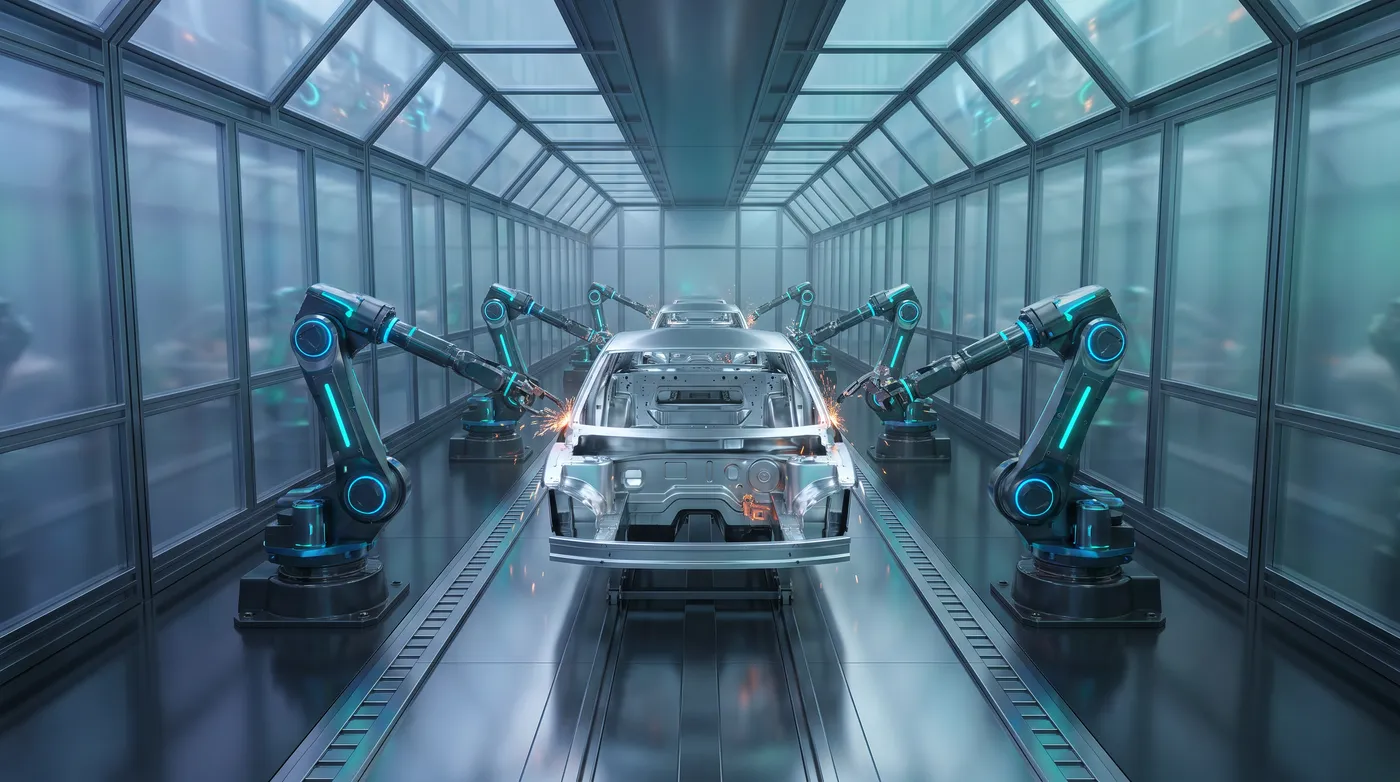
Industry, software and technology: from the factory floor to the over-the-air update.
Explore the section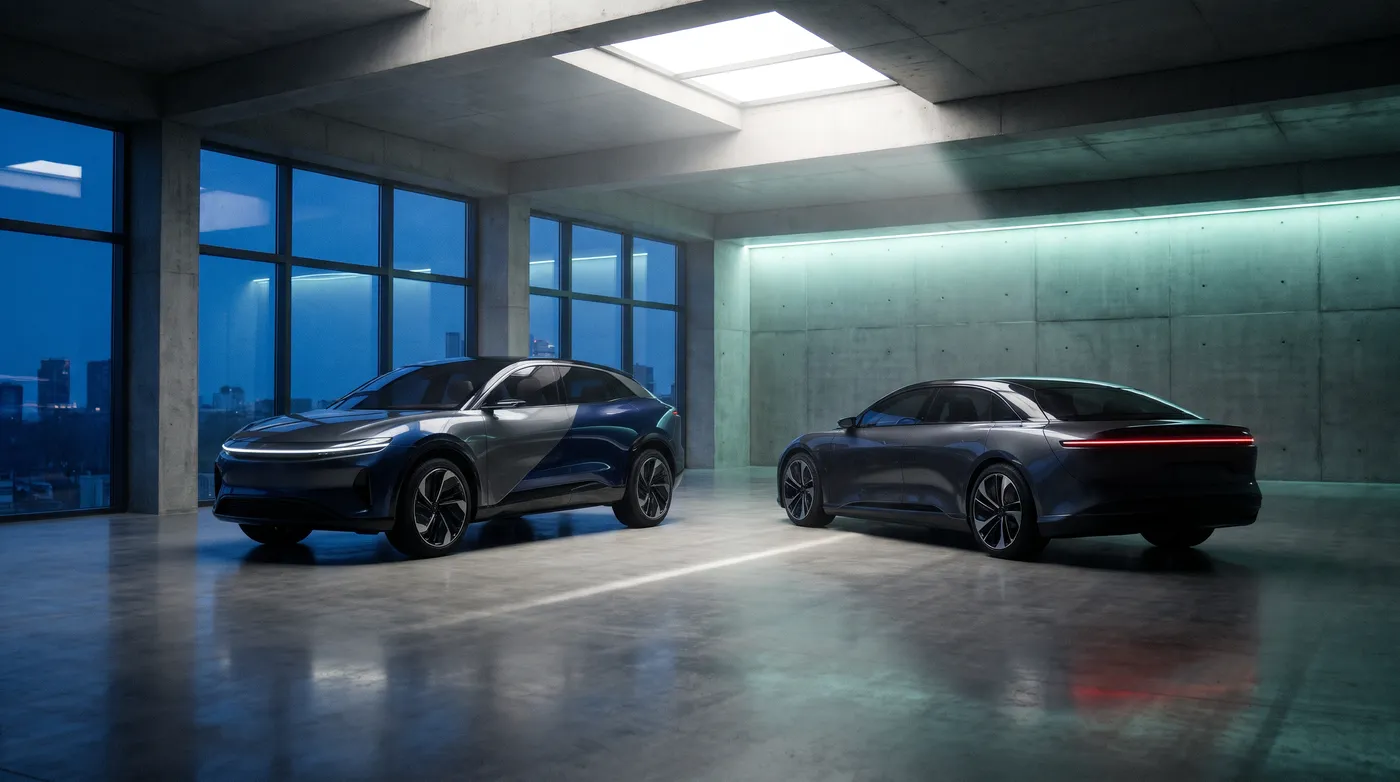
Vehicle classes, buying decisions and used cars, clearly explained.
Explore the section
Public transport, sharing and autonomous driving: how people will get from A to B.
Explore the section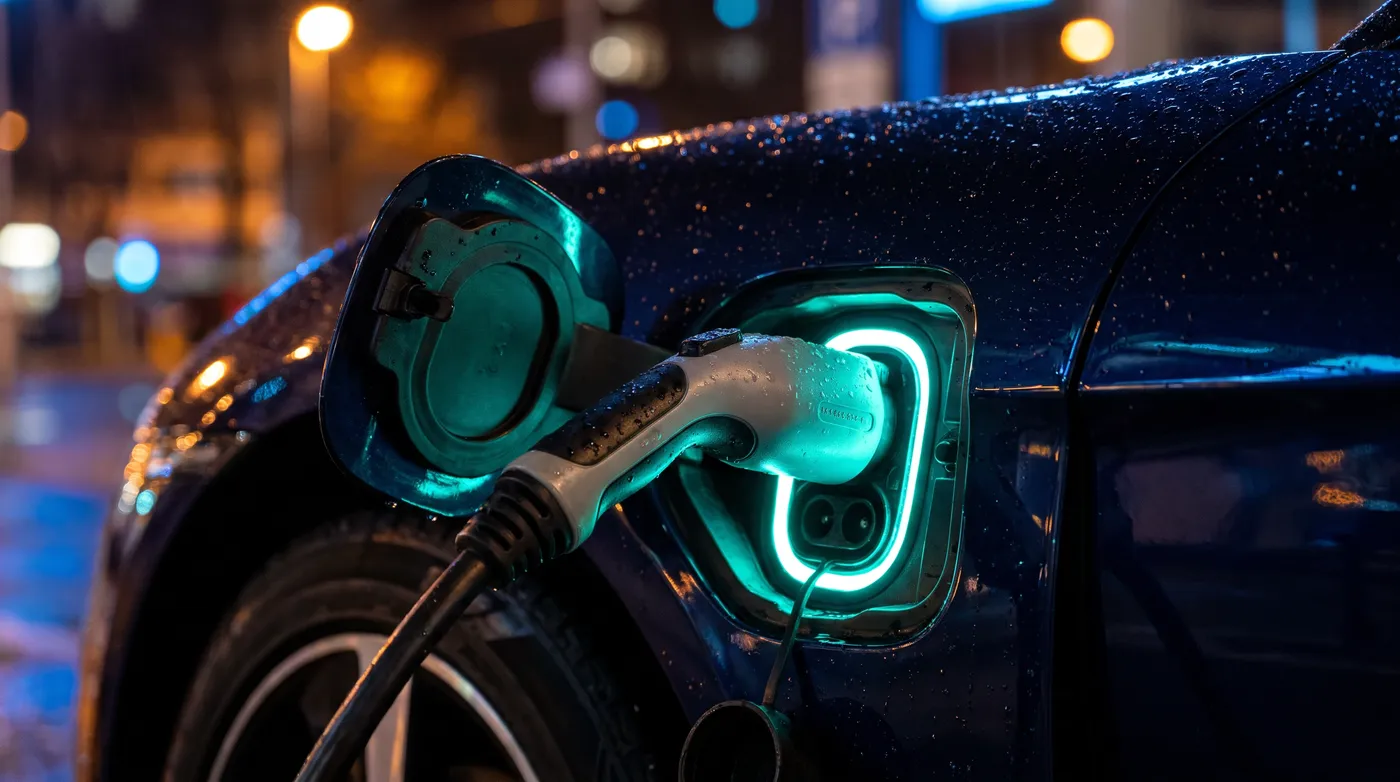
Battery, charging and wallbox: everyday know-how for everyone who drives electric.
Explore the section
Lithium iron phosphate is affordable and robust, nickel manganese cobalt stores more energy per kilo. What really matters in everyday use.
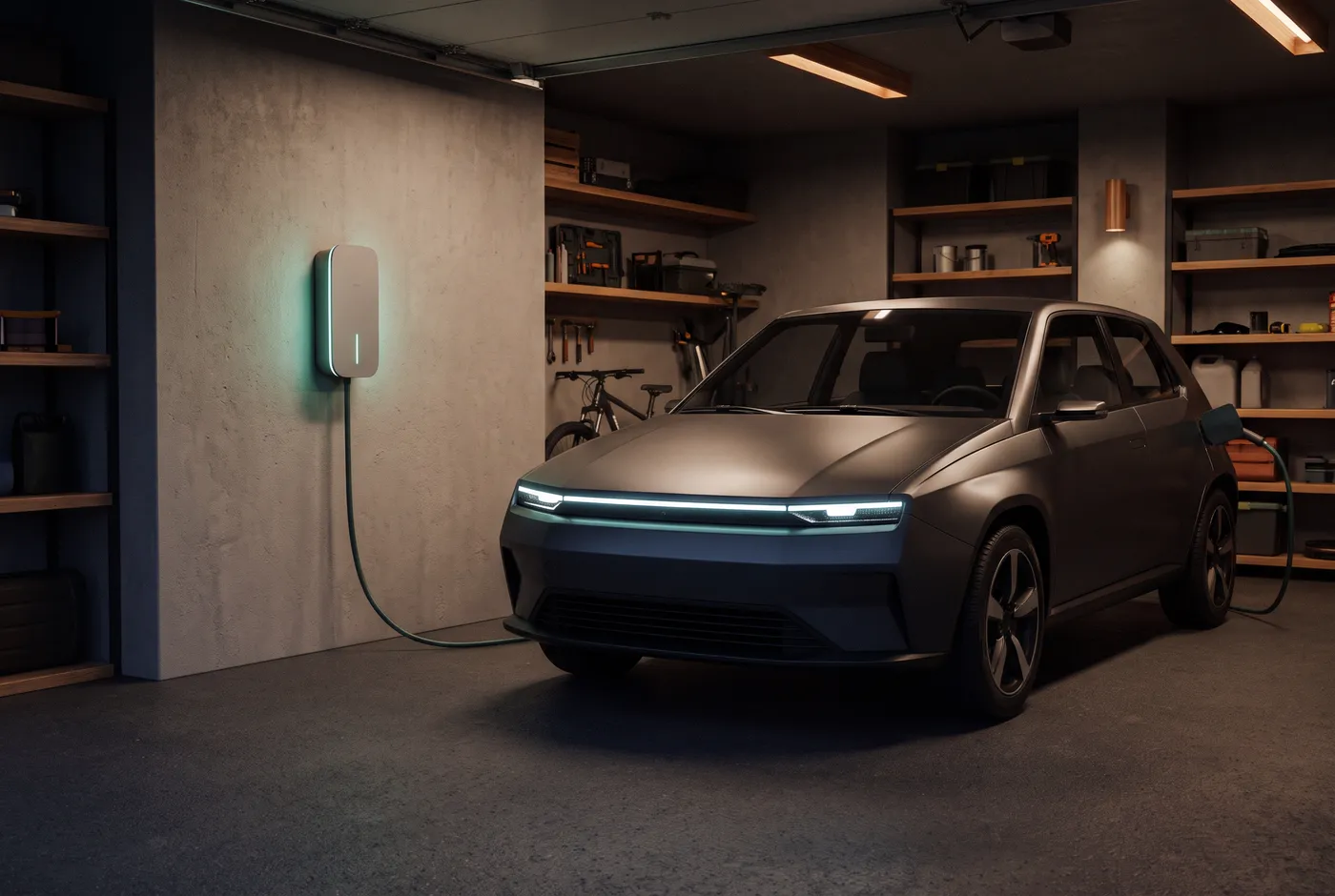
Notifying the grid operator, 11 or 22 kW, § 14a EnWG and rights in owners’ associations: the key points in Germany before you charge for the first time.
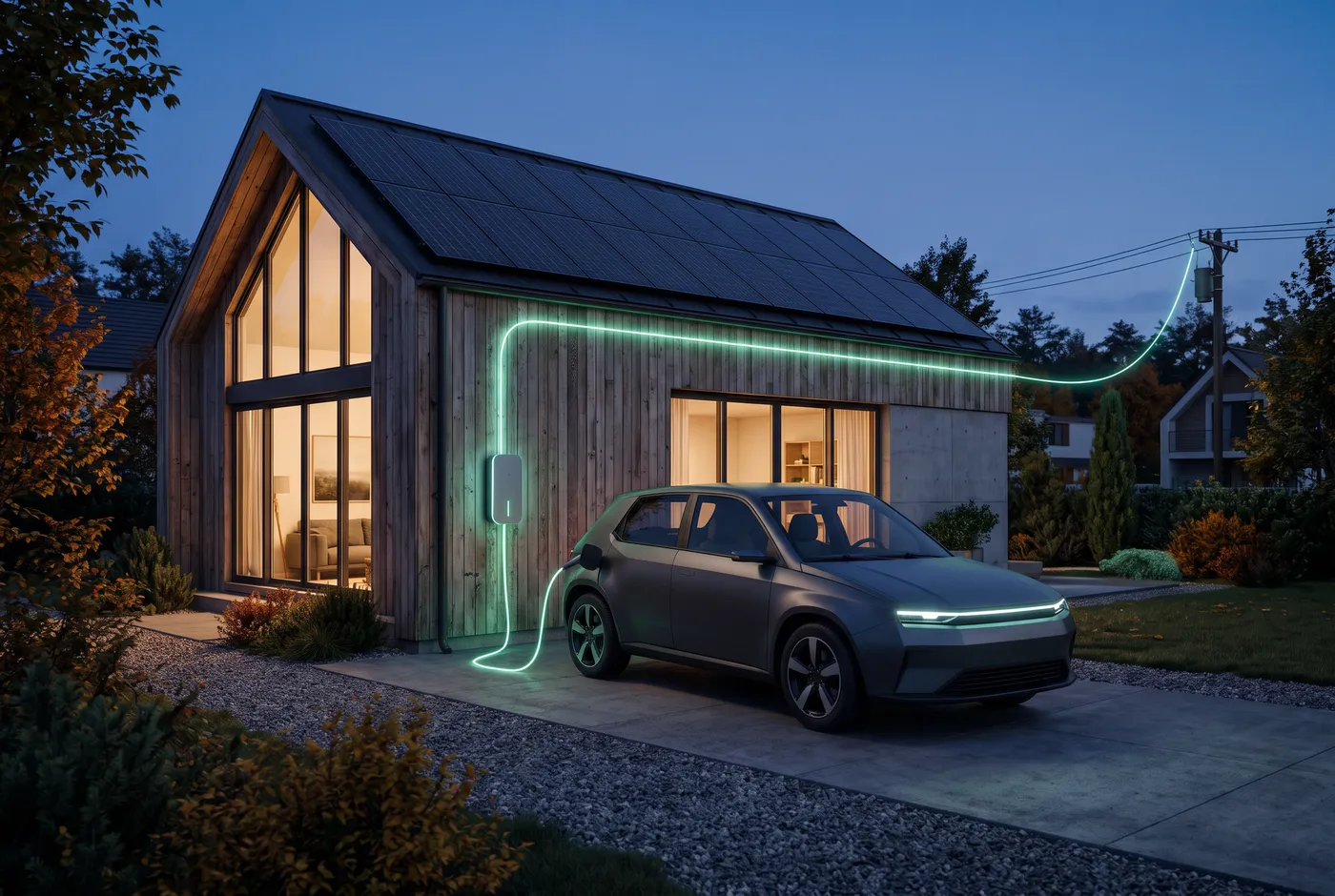
The electric car as a power source for devices, your home or the grid. What lies behind the abbreviations and what the car, wallbox and grid need to be able to do.
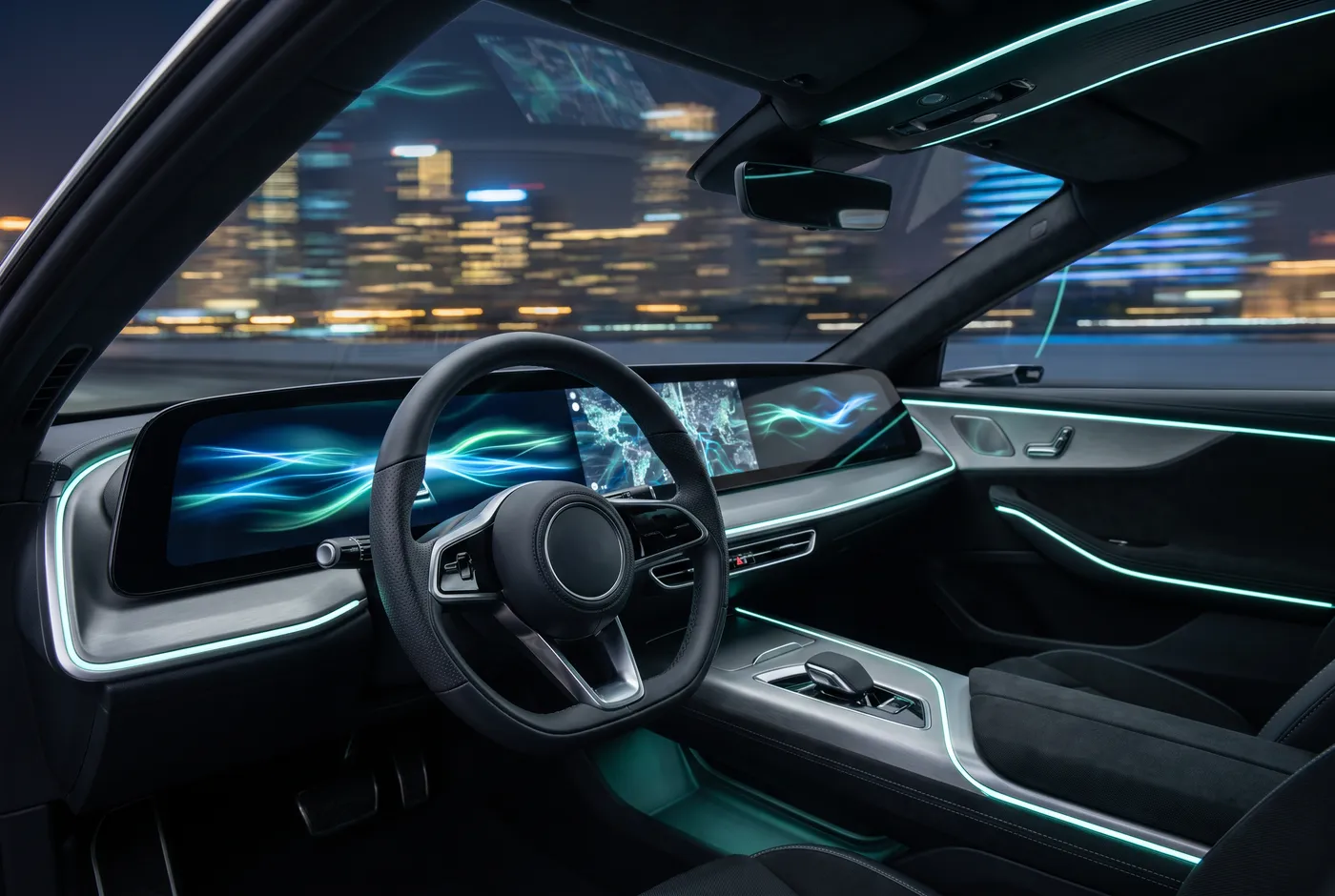
Central computers instead of many control units, updates over the mobile network, features after purchase. What is changing and how security is regulated.

A battery pack today costs a fraction of what it cost in 2010. The reasons behind this, and why cars are still not getting cheaper at the same pace.
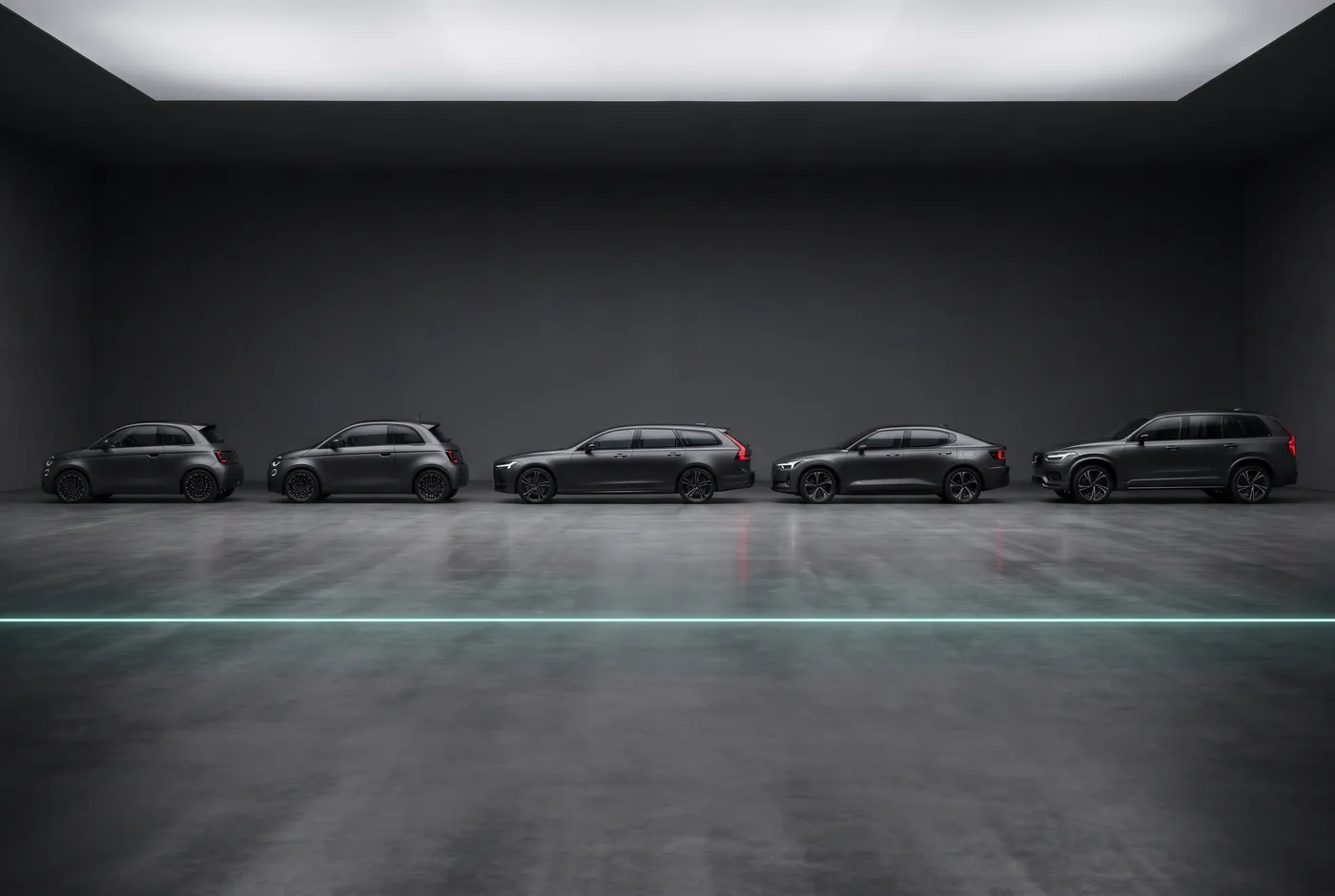
Compact or mid-size, SUV or off-roader, estate or saloon: how Germany’s Federal Motor Transport Authority classifies cars and what the terms mean in everyday use.
Move the sliders and see instantly what electricity and fuel cost on your route. The full cost calculator also factors in purchase price, maintenance and residual value.
Official and recognised sources, clearly presented. Every figure with its date and origin.
New BEV registrations per calendar year, with the share of all new cars in brackets.
Source: Kraftfahrt-Bundesamt (Federal Motor Transport Authority), annual reports 2019 to 2025
New registrations and the car fleet in Germany, the global market by region, battery prices by cell chemistry and the growth of charging infrastructure.
Open the market monitorKnowledge sticks when you try it out yourself. Test yourself in the quiz or play with range, charging time and efficiency.
How speed, temperature and a heat pump change the range.
From 10 to 80 per cent: how long it takes at a wallbox and at a rapid charger.
Type 2, CCS, CHAdeMO and NACS at a glance.
How much energy reaches the wheels: battery, hydrogen and e-fuels.
Electric cars are older than many people think. A short history of mobility in milestones.
Carl Benz files the patent for his three-wheeled Motorwagen. This is considered the birth of the automobile with a combustion engine.
In Coburg, Andreas Flocken builds one of the first four-wheeled electric cars. In the same year, Bertha Benz makes the first long-distance journey in the Motorwagen, from Mannheim to Pforzheim.
Camille Jenatzy becomes the first to break the 100 km/h mark in the electrically powered record car.
At the World Exhibition in Paris, Lohner presents the electric car designed by Ferdinand Porsche with wheel hub motors. Later versions combine a combustion engine and electric motors as early hybrids.
Ford introduces assembly line production in Highland Park. The Model T becomes a mass product and affordable for broad sections of the population.
Volvo puts the three-point belt developed by Nils Bohlin into series production and releases the patent to all manufacturers.
Bosch and Mercedes-Benz bring the electronic anti-lock braking system into series production, initially as an option on the S-Class. The car remains steerable under emergency braking.
The first EU-wide emissions standard comes into force. It effectively makes the regulated catalytic converter mandatory on new petrol cars.
The Toyota Prius goes on sale in Japan, the first hybrid car built in large series.
Tesla delivers the Roadster. It shows that electric cars with lithium-ion batteries can offer ranges suitable for everyday use and high performance.
Nissan launches the Leaf, one of the first electric cars to be built in large numbers for the mass market.
The EU directive on the deployment of alternative fuels infrastructure (AFID) sets Type 2 for AC charging points and CCS Combo 2 for DC charging points as the common standard.
Since September 2018, all newly registered cars in the EU must be tested under WLTP. The procedure replaces the NEDC and provides more realistic consumption and range figures.
Germany’s Autonomous Driving Act allows Level 4 vehicles in defined operating areas. In December, the Kraftfahrt-Bundesamt approves a Level 3 system for motorway traffic jams for the first time: Mercedes-Benz’s Drive Pilot.
On 1 May 2023 the Deutschlandticket is launched, a monthly subscription for local public transport valid throughout Germany.
The EU decides that the CO₂ fleet target for new cars will be zero from 2035, which effectively rules out new combustion cars. This reflects the decisions as of 2023; the rule is still being debated politically.
carliona reaches people who are engaging with cars, charging and mobility, often shortly before making a decision. For manufacturers, dealers, charging providers, energy suppliers and mobility services, we offer editorially fitting placements alongside our calculators and guides.
carliona is a magazine published by NexTao GmbH, Düsseldorf, and part of the Online Media Network.